
GuidesGuides
These guides are used a gateway point to start your nervous system regulation. Always consult your medical practitioner before using. These do not shift medical advice. These are just to aid with nervous system regulation.
GuidesThese guides are used a gateway point to start your nervous system regulation. Always consult your medical practitioner before using. These do not shift medical advice. These are just to aid with nervous system regulation.

What the Quiz is About
Ayurveda is a holistic health system based on the five elements (Space, Air, Fire, Water, and Earth). These elements combine to form the three doshas. Because everyone has a unique blend of these energies, knowing your primary dosha acts as a personalized blueprint for maintaining wellness.
How It Works
The quiz consists of multiple-choice questions designed to assess your natural, long-term tendencies (rather than temporary, stress-induced states).
Physical Traits: Assesses your body frame, skin type, hair, and eye shape.
Behavior & Personality: Measures how you handle stress, talk, learn, and remember information.
Lifestyle Habits: Evaluates your digestion, sleep patterns, appetite, and how well you tolerate different weather conditions.
Why People Take It
Understanding your specific dosha combination helps you make highly personalized, proactive lifestyle choices.
Personalized Diets: Determines which foods will support your digestion and energy levels.
Preventive Health: Helps you anticipate potential imbalances before they result in physical or emotional issues.
Lifestyle & Exercise: Guides you toward exercises and self-care routines that complement your unique metabolic nature.
Photo by Calum Lewis on Unsplash
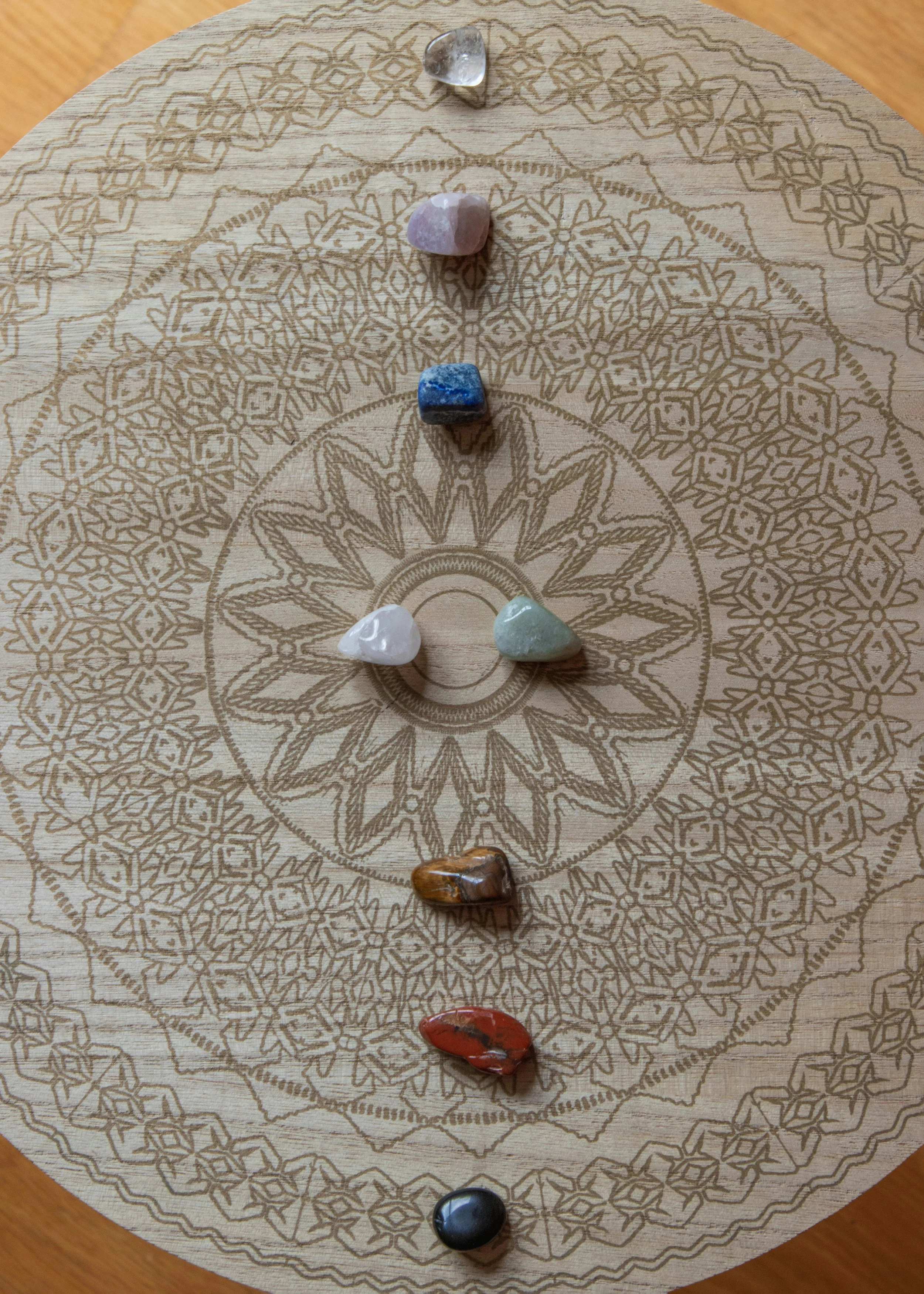
This interactive quiz helps you assess the flow of energy across your seven primary chakras. By answering intuitive questions about your daily habits, emotional states, and physical well-being, you will pinpoint which energy centers are thriving and which ones require extra care and alignment.
⚠️ Wellness Disclaimer:This chakra quiz is a self-exploration tool designed for personal insight, spiritual growth, and relaxation purposes. It does not provide medical, psychological, or psychiatric diagnoses. It should not be used as a substitute for professional healthcare advice or clinical assessment.
What the Quiz Covers
The Root & Sacral Foundations: Assessing your feelings of safety, stability, creative drive, and emotional expression.
The Solar Plexus & Heart Centers: Measuring your personal power, self-esteem, boundaries, and capacity to give and receive love.
The Throat Communication Hub: Evaluating how authentically you speak your truth and voice your personal needs.
The Third Eye & Crown Gateways: Exploring your connection to intuition, mental clarity, purpose, and spiritual awareness.
What You Will Receive Upon Completion
Energy Profile Map: A personalized summary detailing which chakras are open, overactive, or blocked.
Targeted Healing Tips: Specific yoga poses, breathwork exercises, and affirmations tailored to your lowest-scoring areas.
Practical Lifestyle Advice: Daily habits, dietary choices, and mindfulness techniques to help restore long-term energetic balance.
Photo by Susanna Marsiglia on Unsplash

is an accessible, foundational blueprint designed to introduce readers to the ancient Indian "Science of Life." It shifts the wellness paradigm from a one-size-fits-all approach to a personalized journey based on an individual's unique biological makeup.
The guide uses the following structured framework to transform complex ancient concepts into practical, daily habits:
📖 Section 1: The Core Philosophy
The Definition of Health: Explains wellness as a state of vibrant balance between mind, body, spirit, and environment.
The Five Elements: Introduces the building blocks of nature: Space, Air, Fire, Water, and Earth.
🧬 Section 2: Discovering Your Dosha (Mind-Body Type)
Vata (Air & Space): The energy of movement; details the signs of balance (creativity) and imbalance (anxiety, dry skin).
Pitta (Fire & Water): The energy of metabolism; details the signs of balance (intelligence) and imbalance (anger, inflammation).
Kapha (Water & Earth): The energy of structure; details the signs of balance (calmness) and imbalance (sluggishness, weight gain).
☀️ Section 3: Daily Routines (Dinacharya)
Morning Cleansing: Step-by-step instructions for tongue scraping, oil pulling, and hydration.
Body & Mind Care: Guidelines for Abhyanga (warm oil self-massage) and alignment with natural circadian rhythms.
🍽️ Section 4: Ayurvedic Nutrition & Digestion
The Power of Agni: Explains how a strong digestive fire prevents the accumulation of toxic residue (ama).
Eating for Balance: Practical food charts showing how to select tastes (sweet, sour, salty, bitter, pungent, astringent) that balance your specific dosha.
Photo by Lisa Hobbs on Unsplash

In Ayurveda the doshas are the 3 constitutions that govern the physiological and psychological functions of the mind.
Derived from combinations of the five universal elements (ether, air, fire, water, and earth), the three doshas are Vata, Pitta, and Kapha. Everyone possesses a unique baseline ratio of these three energies established at birth, known as your prakriti (original constitution), which dictates your structural, physical, and emotional tendencies.
When these energies are in harmony, you experience optimal health; when they are disrupted due to stress, diet, or lifestyle, imbalances (vikruti) lead to discomfort or illness. Below is a comprehensive breakdown of each dosha's core elements, physical and psychological traits, signs of imbalance, and how to bring them back into alignment.
lisa hobbs usplash

Reconnect with the Root of Your Well-being
Your pelvic floor does incredible work every day, yet it is often where we store our deepest stress, trauma, and physical tension. Whether you are dealing with chronic tightness, postpartum changes, or core weakness, generic exercises like repetitive Kegels can often do more harm than good. True pelvic health requires a delicate balance of both conscious release and functional strength.
Pelvic Floor Yoga Therapy bridges the gap between specialized physical therapy and the healing power of somatic movement. By combining gentle, targeted yoga postures with diaphragmatic breathwork and nervous system regulation, this practice helps you map, soften, and support your pelvic bowl from the inside out.
This therapeutic approach is designed to help you:
Relieve Chronic Pain: Gently lengthen and soften hypertonic (chronically tight) pelvic muscles.
Support Postpartum Recovery: Safely reconnect with your core and base after childbirth.
Reduce Stress-Induced Gripping: Calm your nervous system to stop subconscious pelvic clenching.
Improve Daily Comfort: Address issues like pelvic pressure, hip stiffness, and lower back discomfort.
Every body is unique. This is a safe, compassionate space designed to help you move away from frustration and step into a life of ease, confidence, and vibrant physical alignment.
Photo by Priscilla Du Preez 🇨🇦 on Unsplash
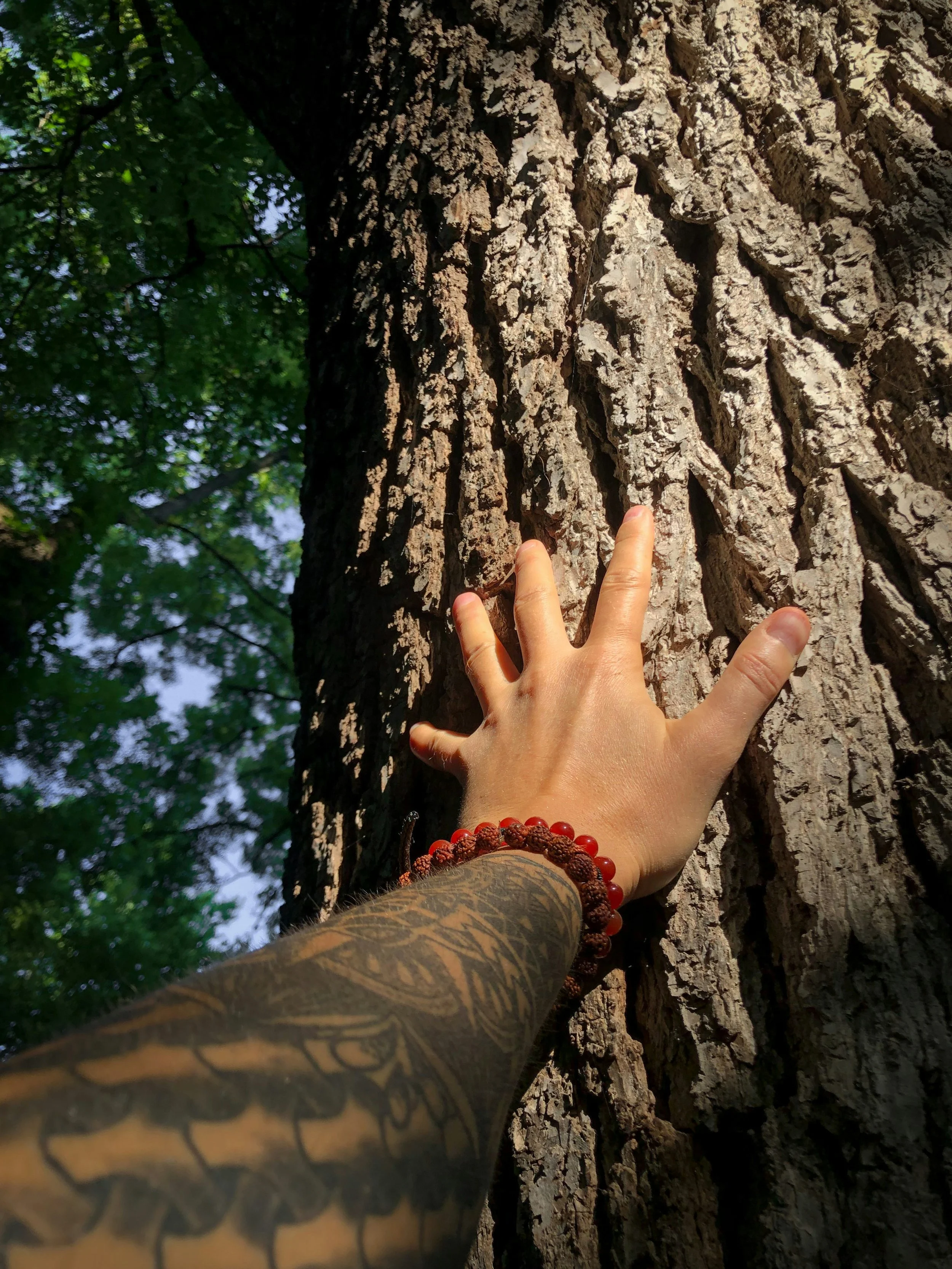
A holistic approach to wellness focuses on treating the "whole person"—addressing the deep, interconnected relationships between your physical body, mental health, emotional state, and spiritual well-being. Instead of seeking surface-level quick fixes, these tips emphasize balance, daily lifestyle adjustments, and natural healing.
Key Holistic Health Tips
Prioritize Whole Foods: Treat food as fuel. Incorporate nutrient-dense, minimally processed ingredients like fresh vegetables, fruits, whole grains, and lean proteins to support gut health and long-term vitality.
Practice Mindful Movement: Exercise should be sustainable and joyful, rather than a punishment. Practices like yoga or daily walking not only build physical strength, but also help ground your mind and release built-up tension.
Cultivate Intentional Stillness: Dedicate time to decompress. Activities like meditation, deep breathing, or journaling help regulate emotions and reduce stress, allowing you to stay anchored in the present moment.
Prioritize Rest and Sleep Hygiene: Establish a consistent bedtime routine and ensure you are getting 7 to 8 hours of sleep. Proper sleep is essential for physical repair and cognitive function.
Connect with Nature & Community: Regularly getting outside and building positive social connections reduce isolation, improve mood, and bolster your mental resilience.

Comprehensive Yoga Therapy Guide for Overwhelm: Detailed Somatic Framework
Program Overview & Therapeutic Intent
This manual is a comprehensive, clinically informed somatic blueprint engineered to dismantle acute hyper-arousal, mental fragmentation, and sensory exhaustion. When a person experiences overwhelming stress, the sympathetic nervous system initiates a cascade of survival responses: the amygdala triggers a flood of cortisol and adrenaline, blood pressure rises, and the prefrontal cortex—the center for executive functioning and decision-making—temporarily shuts down. [1]
Yoga Therapy treats overwhelm not as a mental flaw, but as a physiological state where the nervous system's capacity has been temporarily exceeded. This guide uses targeted physical postures, breath modulation, and sensory withdrawal (Pratyahara) to communicate safety directly to the brainstem via the vagus nerve, bypassing the racing logical mind to restore cognitive clarity and physical ease.
Core Neurobiological Pillars
1. Vagal Afferent Stimulation
The Mechanism: Utilizing slow, diaphragmatic breathing and gentle pressure on specific meridians to send ascending sensory signals through the vagal nerve pathways.
The Outcome: Mechanically triggers the sinoatrial node to slow the heart rate, reducing the physical "panic" feedback loop between the heart and the brain.
2. Somatosensory Grounding
The Mechanism: Maximizing the body's physical surface contact with the earth or firm structural props (bolsters, blocks, walls).
The Outcome: Stimulates proprioceptors and mechanoreceptors in the skin and muscles, establishing a concrete sense of spatial orientation and physical safety that overrides racing, ungrounded thoughts.
3. Sensory Deprivation (Pratyahara)
The Mechanism: Systematic elimination of bright lights, sharp sounds, and complex visual environments.
The Outcome: Reduces the cognitive load on the thalamus, allowing hyper-vigilant sensory processing networks a vital window to rest and recalibrate.

This "Yoga Therapy for Grief Guide" is a somatic, compassionate roadmap designed to help individuals process emotional pain, trauma, and loss through the body. Unlike a standard exercise guide, it blends gentle movement, breathwork, and nervous system regulation to support the psyche when words are not enough.
The guide uses the following structured framework to safely navigate the physical and emotional landscape of mourning:
🕊️ Section 1: The Physiology of Grief
The Body Holds Loss: Explains how grief physically manifests as chest tightness, digestive issues, fatigue, and muscle tension.
Nervous System Regulation: Covers how trauma impacts the fight-or-flight response and how yoga activates the parasympathetic (rest-and-digest) system to restore safety.
🧘 Section 2: Gentle Somatic Movement (Asana)
Heart Openers: Gentle, supported backbends to counter the natural tendency to hunch forward and protect the chest when hurting.
Grounding Postures: Seated and restorative poses that foster a sense of stability, safety, and root connection when life feels chaotic.
Hip Openers: Targeted stretches to release deep-seated emotional tension and stress stored in the pelvic region.
🌬️ Section 3: Breathwork & Meditation (Pranayama)
Soothing the Mind: Breath practices like extended exhalations and alternate nostril breathing to lower acute anxiety and panic.
Mindful Witnessing: Meditation techniques to observe heavy emotions without judgment, allowing grief to move through the body rather than becoming trapped.
🩹 Section 4: Creating a Safe Ritual
Restorative Integration: Using blankets, bolsters, and blocks to fully support the body, allowing for deep emotional rest.
Daily Mourning Rituals: Practical advice on creating a dedicated, quiet space at home for daily emotional check-ins.
Photo by Mike Labrum on Unsplash

Welcome to the definitive guide description for Healing from Burnout: An Ayurvedic and Yoga Therapy Approach. This holistic recovery roadmap merges the ancient, time-tested wisdom of Ayurveda with the targeted, physiological tools of Yoga Therapy to gently pull you out of chronic depletion and restore your vital life force.
What Makes This Guide Impactful
Energetic Root-Cause Analysis: Moves beyond standard symptoms to identify how burnout disrupts your subtle energy, elements, and internal balance.
Somatic and Cellular Healing: Uses specific physical, breath-based, and dietary interventions to nourish your deep tissues and regulate an overstimulated nervous system.
Customized to Your Constitution: Recognizes that burnout looks different for everyone, offering tailored paths for different body-mind types.
Core Pillars of Recovery Covered
Calming the Wind (Vata Management): Soothing the nervous system to eliminate racing thoughts, anxiety, and insomnia through grounding routines and warm, nourishing foods.
Cooling the Fire (Pitta Management): Releasing intense ambition, anger, and perfectionism by cultivating self-compassion, cooling breathwork, and non-competitive movement.
Igniting Vitality (Ojas Building): Rebuilding your baseline immunity, strength, and resilience using specific Ayurvedic herbs, restorative postures, and deep somatic rest.
Pranayama and Pratyahara: Utilizing targeted breathing techniques to balance your subtle energy channels and practicing sensory withdrawal to shield your mind from sensory overload.
Why This Roadmap Works
From an Eastern perspective, burnout is the complete depletion of Ojas (your vital essence) and the fragmentation of Prana (your life force). By treating burnout as a sacred energetic calling to slow down rather than a personal failure, this guide provides the exact holistic blueprint needed to rebuild your health, spirit, and lifestyle from the inside out.
Photo by nikko macaspac on Unsplash
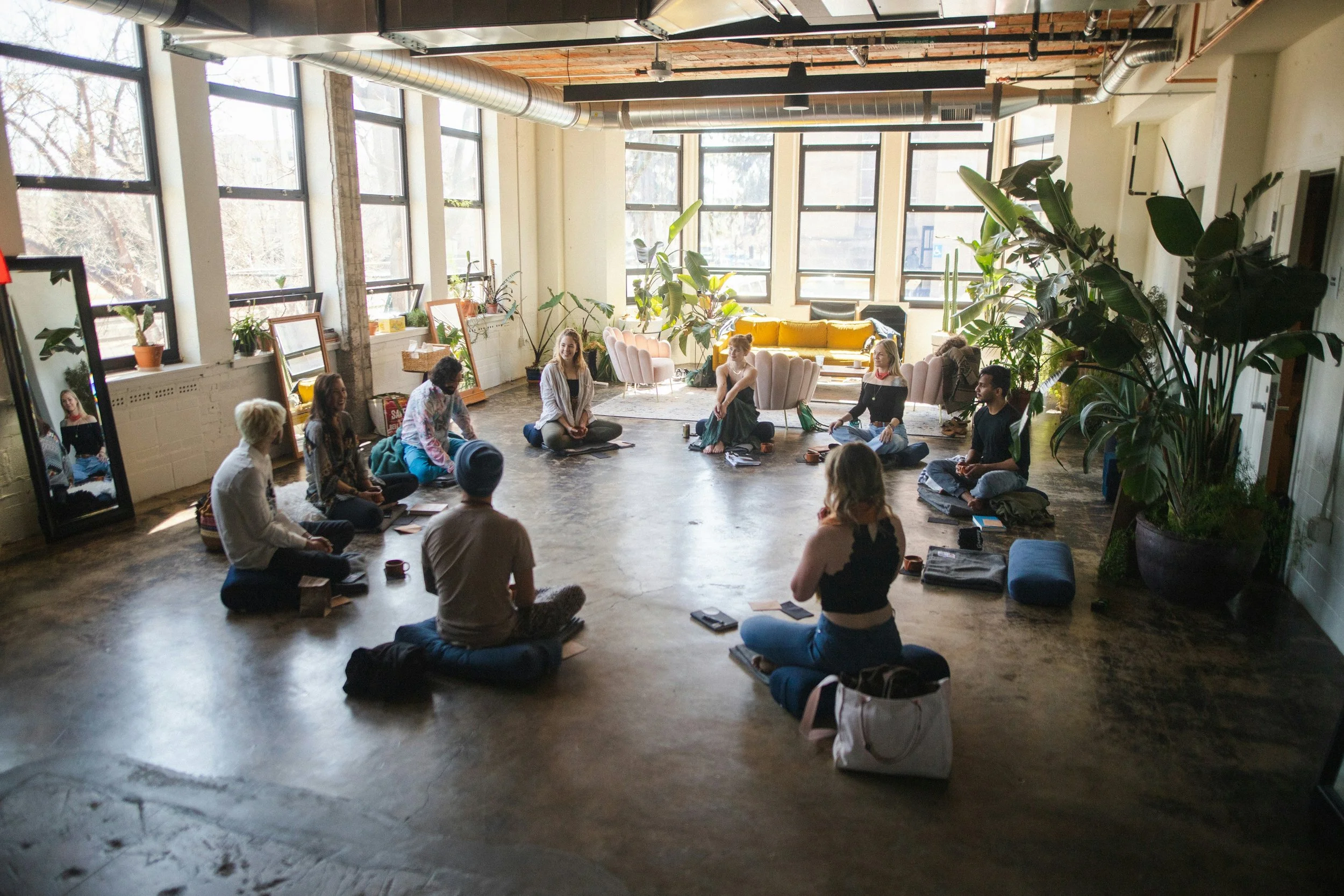
Welcome to the ultimate restorative yoga guide. This gentle, slower-paced practice focuses on deep relaxation, stillness, and comfort to soothe your nervous system, melt away chronic stress, and restore your natural energy.
What Makes This Guide Unique
Complete Support: Uses props like pillows, blankets, and blocks so your muscles can fully relax without effort.
Extended Holds: Poses are held for 5 to 20 minutes to encourage deep mental and physical release.
Zero Strain: No active stretching, sweating, or complex movements are required.
Core Elements You’ll Explore
The Relaxation Response: How restorative yoga activates your parasympathetic nervous system to lower heart rate and reduce stress hormones.
Essential Restorative Poses: Step-by-step setups for deeply comforting postures, including:
Supported Child's Pose: A forward fold over a bolster to quiet the mind and soothe the back.
Supported Fish Pose: A gentle chest opener to reverse slouching and improve breathing.
Legs-up-the-Wall Pose: An effortless inversion to relieve tired legs and promote circulation.
Mindful Stillness: Simple breathing and body-scan techniques to keep your mind anchored during long holds.
Why You’ll Love This Practice
Restorative yoga is the perfect antidote to a busy life, helping you improve sleep quality, heal from physical exhaustion, and cultivate deep emotional resilience.
Photo by Dillon Wanner on Unsplash
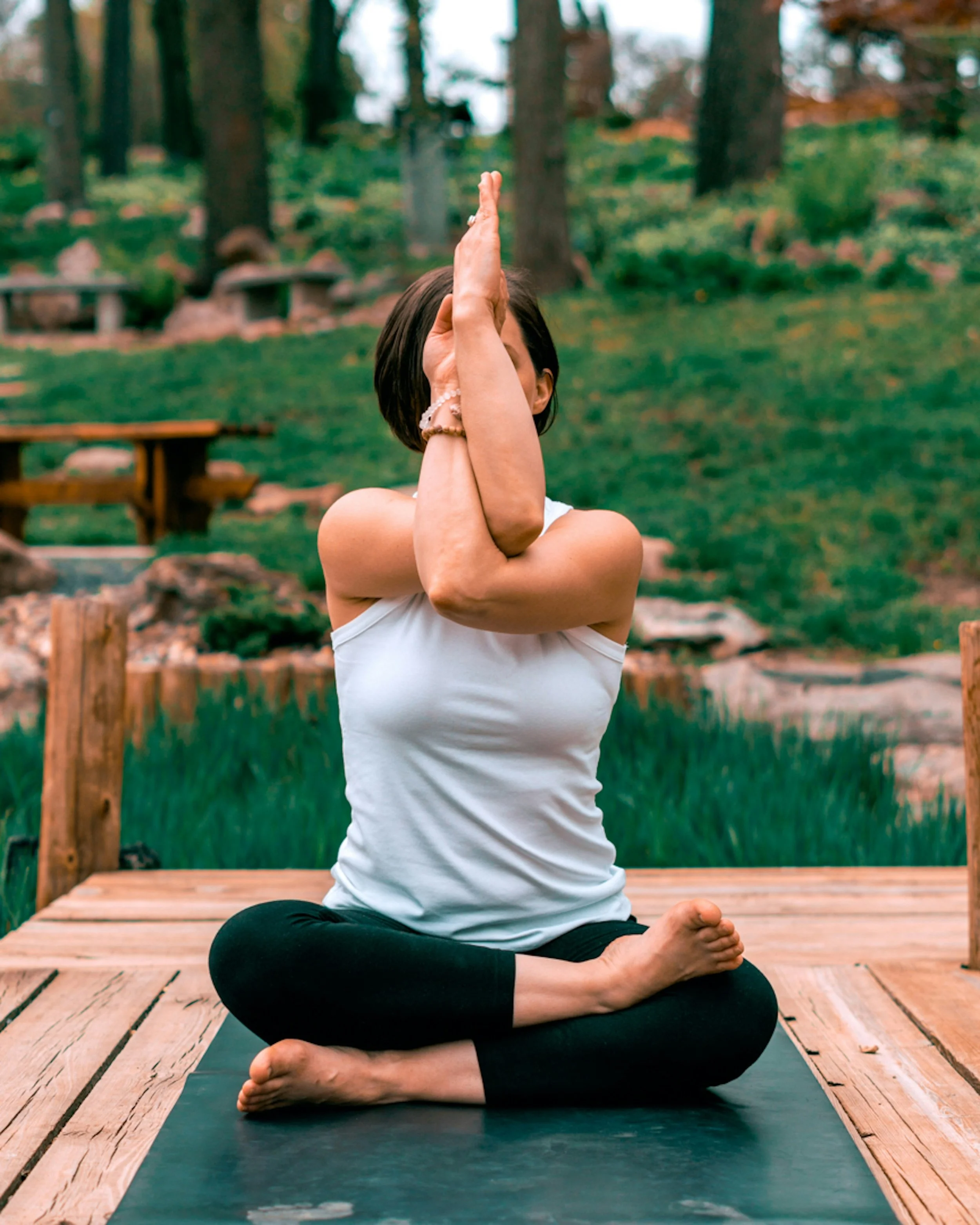
A philosophy-based yoga guide provides a framework to integrate ancient ethical and spiritual teachings into modern life. It expands practice far beyond physical postures (asanas) to explore self-awareness, mindfulness, and the nature of consciousness, helping practitioners reduce suffering and achieve mental clarity.
A comprehensive philosophy approach guide typically breaks down foundational dimensions into the following scannable categories:
1. The Core Purpose
The Meaning of Yoga: Rooted in the Sanskrit word yuj, it translates to "yoke" or "union"—specifically uniting the individual consciousness with universal consciousness.
True Identity: Teaches that you are not your thoughts or your body, but rather an eternal soul experiencing human existence.
2. The Eight Limbs (Ashtanga System)
Outlined in the Yoga Sutras of Patanjali, this eight-step roadmap provides a step-by-step approach to ethical living and mental discipline:
Yamas (Restraints): Ethical guidelines focusing on how you interact with the world, including nonviolence (ahimsa) and truthfulness (satya).
Niyamas (Observances): Internal personal disciplines, including contentment (santosha) and self-study (svadhyaya).
Asana & Pranayama: Physical postures and breath control designed to prepare the body and mind for meditation.
Pratyahara to Samadhi: Advanced internal stages involving sense withdrawal, focused concentration, meditation, and ultimate spiritual liberation (moksha).
3. Key Philosophical Concepts
The Three Gunas: The fundamental energies of nature that influence the mind: tamas (inertia/heaviness), rajas (agitation), and sattva (clarity/balance).
Karma & Dharma: The law of cause and effect (karma) and living in alignment with your true purpose (dharma).
Maya: The veil of illusion that masks the true nature of reality.
4. Modern Application
Rather than simply doing exercises on a mat, a philosophical approach turns yoga into a daily lifestyle. It encourages self-observation without judgment, emotional resilience in times of stress, and selfless action.
Photo by Erik Brolin on Unsplash
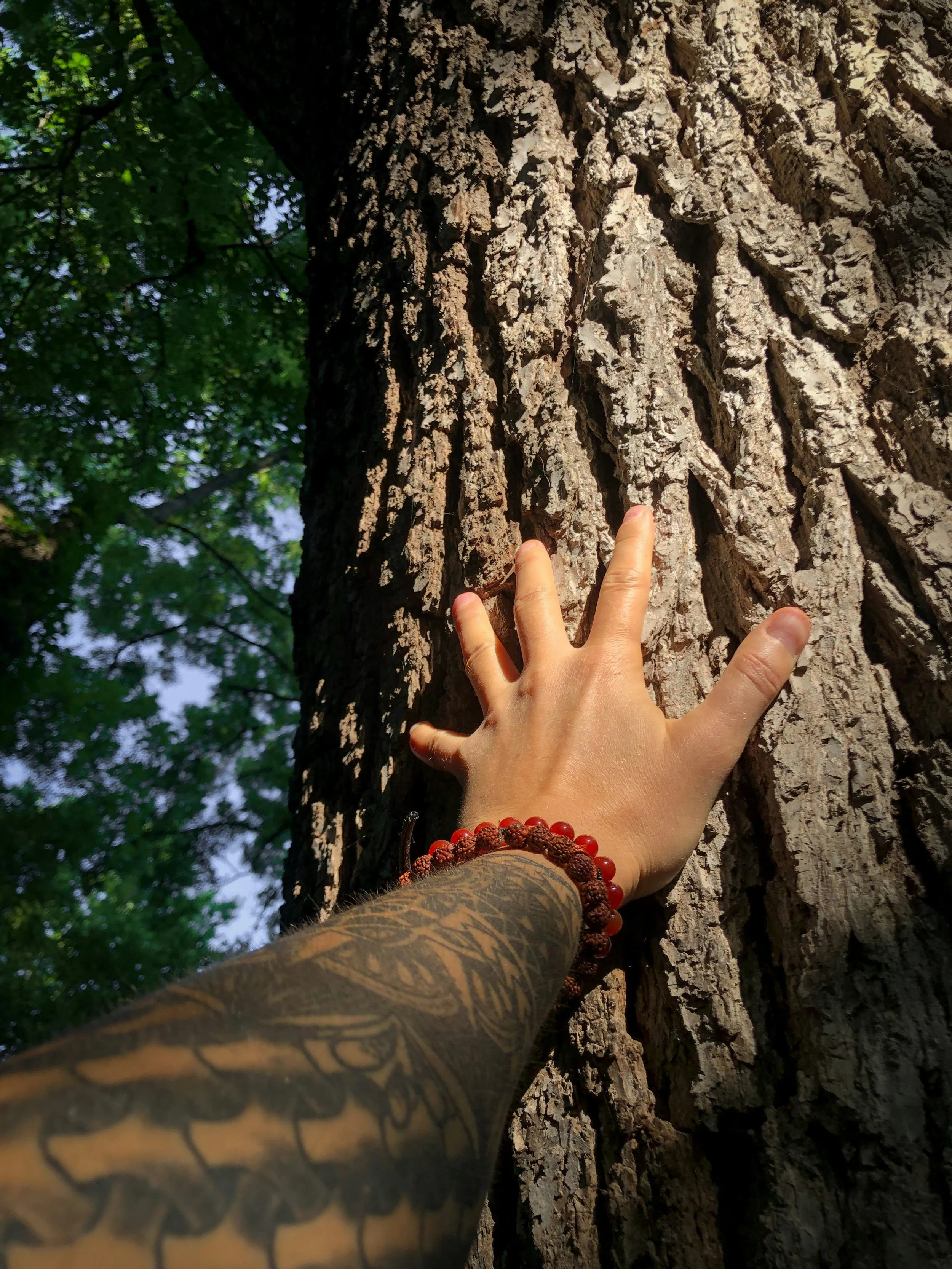
Find your center in a chaotic world. The Everyday Grounding Guide is a practical, step-by-step roadmap designed to pull you out of your head and anchor you back into your body. Perfect for busy minds, this guide offers bite-sized, actionable somatic tools to dissolve anxiety, combat mental burnout, and restore your inner peace in under five minutes a day.
Key Features & What's Inside
Somatic Resets: Quick physical exercises to immediately calm a hyper-aroused nervous system.
Micro-Meditations: 2-minute scripts tailored for high-stress moments like work meetings or chaotic mornings.
5-Sense Frameworks: Sensory checklists to break the cycle of looping thoughts and panic.
Breathwork Blueprints: Simple breathing patterns that shift you out of fight-or-flight mode instantly.
Daily Integration Plan: A checklist to seamlessly weave grounding rituals into your current routine.
Who This Guide Is For
The Overwhelmed Professional: Anyone staring at screens all day who needs a fast mental circuit-breaker.
The Overthinker: Individuals who get trapped in anxious thought loops or future-tripping.
The Highly Sensitive Person (HSP): People who absorb environmental stress and need a tool to protect their energy.
The Meditation Novice: Beginners who want the benefits of mindfulness without sitting still for an hour.
Expected Results
Immediate Calm: Lower your heart rate and soften muscle tension within two minutes of practice.
Mental Clarity: Clear away the brain fog caused by digital fatigue and sensory overload.
Emotional Stability: Build a reliable psychological anchor so external chaos doesn't throw you off balance.
Deeper Sleep: Transition your mind into a rest-ready state before your head hits the pillow.
Photo by Frames For Your Heart on Unsplash

Welcome to your ultimate accessible beginner yoga guide. Designed for every body and every ability, this gentle, inclusive, and pressure-free introduction helps you build a strong, confident foundation in movement and breathwork—no prior flexibility required.
Discover how to safely start your yoga journey with this approachable, step-by-step breakdown designed to empower you on and off the mat.
What Makes This Guide Accessible
No Equipment Required: While a standard mat is helpful, you can practice on a carpet or rug, and use everyday household items like belts for straps and pillows or couch cushions for bolsters.
Focus on Feeling, Not Shapes: This guide prioritizes mindful movement and breathing rather than trying to achieve a "perfect" posture.
Customizable Pacing: Learn how to use modifications—such as practicing in a chair, modifying with blocks, or shortening holds—to suit your body’s unique needs.
Core Elements You’ll Explore
The Fundamentals (The ABCs): Simple, beginner-friendly explanations of common yoga terms, movements, and breathing techniques.
Foundational Poses: Clear, step-by-step instructions for essential, gentle poses including:
Child's Pose (Balasana): A restful, grounding stretch for the back and hips.
Cat-Cow Stretch (Marjaryasana-Bitilasana): A fluid, accessible movement to warm up the spine and release tension.
Mountain Pose (Tadasana): A foundational standing posture to help improve posture and grounding.
Mindful Breathing: Techniques to use breath as an anchor to ground your mind and steady your body in balancing poses.
Why You’ll Love This Practice
Regularly practicing even short, gentle yoga routines can increase flexibility, build core stability, relieve common aches like back tension, and promote deep relaxation.
Photo by Kaylee Garrett on Unsplash
No results match your search. Try removing a few filters.